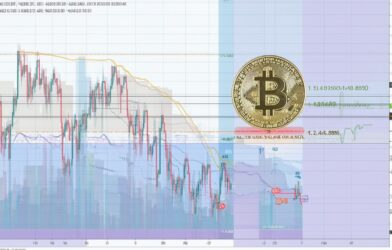
In the dynamic landscape of digital assets, predicting future values is both an art and a science. Polygon (MATIC), known for its agile scaling solutions and robust developer ecosystem on Ethereum, has attracted significant investor attention. As blockchain adoption accelerates, understanding Polygon price predictions involves careful analysis of technical indicators, on-chain activity, and macroeconomic forces. This article delves into the factors influencing MATIC’s price outlook, offering data-driven perspectives and contextual insights for both seasoned and emerging crypto investors.
The Fundamentals Fueling MATIC’s Value
Polygon’s unique proposition stems from its capacity to address Ethereum’s scalability challenges. With transaction fees surging and network congestion peaking at times, Polygon’s sidechain and layer-2 technologies have proven critical for gaming, DeFi, and NFT projects. A growing developer base and integrations with recognized brands such as Adidas and Starbucks reinforce user activity, making Polygon a vital player in the wider blockchain ecosystem.
Strategic Partnerships and Ecosystem Growth
Polygon’s partnerships extend beyond crypto-native ventures. For example, its collaboration with Meta (formerly Facebook) to support NFT initiatives, and adoption by major gaming studios, highlight a trend where Web2 and Web3 are converging. “Mass adoption in the digital asset space depends on projects like Polygon that offer significant throughput and usability for mainstream companies,” explains blockchain analyst Priya Desai.
The result is a constantly expanding pool of decentralized applications (dApps) using Polygon’s infrastructure. Metrics suggest a robust growth in active addresses and protocol revenues over the last year, reflecting sustained network utility.
Upgrades and Protocol Improvements
Key upgrades, such as the transition towards Polygon 2.0 and the introduction of zkEVM technology, have fostered optimism around future usage and scalability. These technical milestones are integral to the platform’s ability to onboard larger user bases without diluting performance—a core consideration in long-term MATIC price forecasts.
Technical Analysis: Historic Trends and Price Behavior
Price prediction efforts always contend with volatility inherent to crypto markets. However, established technical frameworks help map possible trajectories for MATIC by analyzing historical performance, support and resistance levels, and trading volume patterns.
Chart Patterns and Momentum Indicators
Over the past two years, MATIC has experienced distinct market cycles:
- Bullish phases: Surges linked to major ecosystem announcements or crypto market rallies.
- Corrections: Steep downturns synchronized with industry-wide sell-offs, regulatory fears, or macro uncertainty.
Relative Strength Index (RSI) and Moving Average Convergence Divergence (MACD) readings often signpost potential overbought or oversold conditions. Currently, oscillators on weekly charts suggest that MATIC remains in a consolidative phase, with potential for sharp directional moves should major support ($0.50-$0.60) or resistance ($1.00-$1.20) levels be breached.
On-Chain Data as a Leading Indicator
On-chain analytics provide another lens. Rising active addresses, growing total value locked (TVL) in Polygon-based protocols, and increasing transaction counts are all positive signals for long-term valuation. These metrics suggest real activity, beyond speculative trading alone, is underpinning MATIC’s market cap.
“Historically, tokens with sustained on-chain engagement and developer activity tend to fare better through market cycles,” notes digital asset strategist Elena Lee.
Macro Factors: Regulation, Competition, and Market Sentiment
Beyond internal progress, Polygon’s future price trajectory is intertwined with broader market and regulatory themes.
Regulatory Developments
Regulatory clarity on crypto assets remains a moving target. While the global trend is toward stricter oversight, clear guidelines can legitimize platforms like Polygon, enabling more institutional adoption. Conversely, overbearing regulation, especially regarding staking or DeFi, could present headwinds for investor confidence or network activity.
Competing Protocols and Layer-2 Landscape
Polygon is not alone in the layer-2 race. Arbitrum, Optimism, and emerging zk-rollup providers offer alternative scaling models, prompting competition for developer mindshare and user loyalty. The ultimate winner may be determined not just by technology, but by the breadth of ecosystem partnerships and ease of integration for mainstream enterprises.
Market Sentiment and Crypto Cycles
Broader crypto zeitgeist is also crucial. During bull runs, risk appetite and media coverage propel assets like MATIC to new highs. During risk-off periods, even fundamentally strong tokens tend to retrace. Sentiment-driven volatility thus remains an ever-present factor, amplifying both upward and downward moves.
MATIC Price Prediction Models: Scenarios and Outlook
Given this backdrop, forecasting MATIC prices involves weighing multiple scenarios, from conservative baseline projections to more optimistic or bearish possibilities.
Short-Term (6–12 months)
Many analysts expect Polygon’s price to remain sensitive to overall crypto sentiment in the near term. If market conditions stabilize and Ethereum scaling demand picks up, MATIC could reclaim previous highs or even approach new peaks. Conversely, a protracted market slump may see MATIC trade within a modest consolidation range.
Mid- to Long-Term (1–3 years)
Polygon’s roadmap features—such as expansion into zero-knowledge proofs and enterprise partnerships—have the potential to unlock new areas of growth. A consistent rise in user adoption, combined with sector recovery, would support a bullish scenario for MATIC’s price, possibly exceeding previous all-time highs. However, both regulatory surprises and intense competition present risks that could cap upside in the medium term.
Risk Factors to Monitor
Key variables investors should track include:
- The pace of Ethereum mainnet upgrades, which could affect demand for Polygon scaling.
- Evolving DeFi/NFT trends that shape network usage.
- Shifts in tokenomics or governance structures.
- Unexpected macroeconomic shocks or sweeping crypto regulations.
A prudent approach involves diversification and regular reassessment of both technical and fundamental signals.
Conclusion: A Data-Driven Approach to MATIC Forecasting
Polygon’s trajectory underscores the need for nuanced price prediction models that account for technology, institutional adoption, and broader market cycles. While MATIC’s fundamentals remain robust and its ecosystem vibrant, price action will continue to be shaped by a mix of on-chain metrics, regulatory headlines, and crypto’s inherent volatility. Long-term investors and active traders alike should combine technical analysis with real-world context, maintaining vigilance as the sector evolves. Staying informed and adaptable will remain crucial in navigating Polygon’s price outlook.
FAQs
What is driving Polygon’s recent price movements?
Polygon’s price tends to move in line with overall crypto market sentiment, adoption of layer-2 solutions, and major partnership announcements. On-chain usage and developer activity also play significant roles.
How does Polygon compare to other Ethereum scaling solutions?
Polygon stands out for its early adoption and comprehensive suite of developer tools but faces stiff competition from Arbitrum, Optimism, and new zk-rollup projects. The winner will likely be determined by ecosystem growth and integration strategy.
Is MATIC a good long-term investment?
MATIC’s prospects are linked to ongoing adoption, technical innovation, and favorable market conditions. As with all crypto assets, investors should consider volatility and diversify accordingly.
Can regulatory changes impact Polygon’s price?
Regulatory developments can influence Polygon both positively and negatively. Clarity often invites institutional participation, while restrictive policies could dampen growth or prompt caution among investors.
What risks should I consider before investing in MATIC?
Key risks include rapid technological change, competitor advances, sudden regulatory shifts, and broader crypto market cycles. It’s wise to monitor developments closely and avoid overexposure to any single asset.