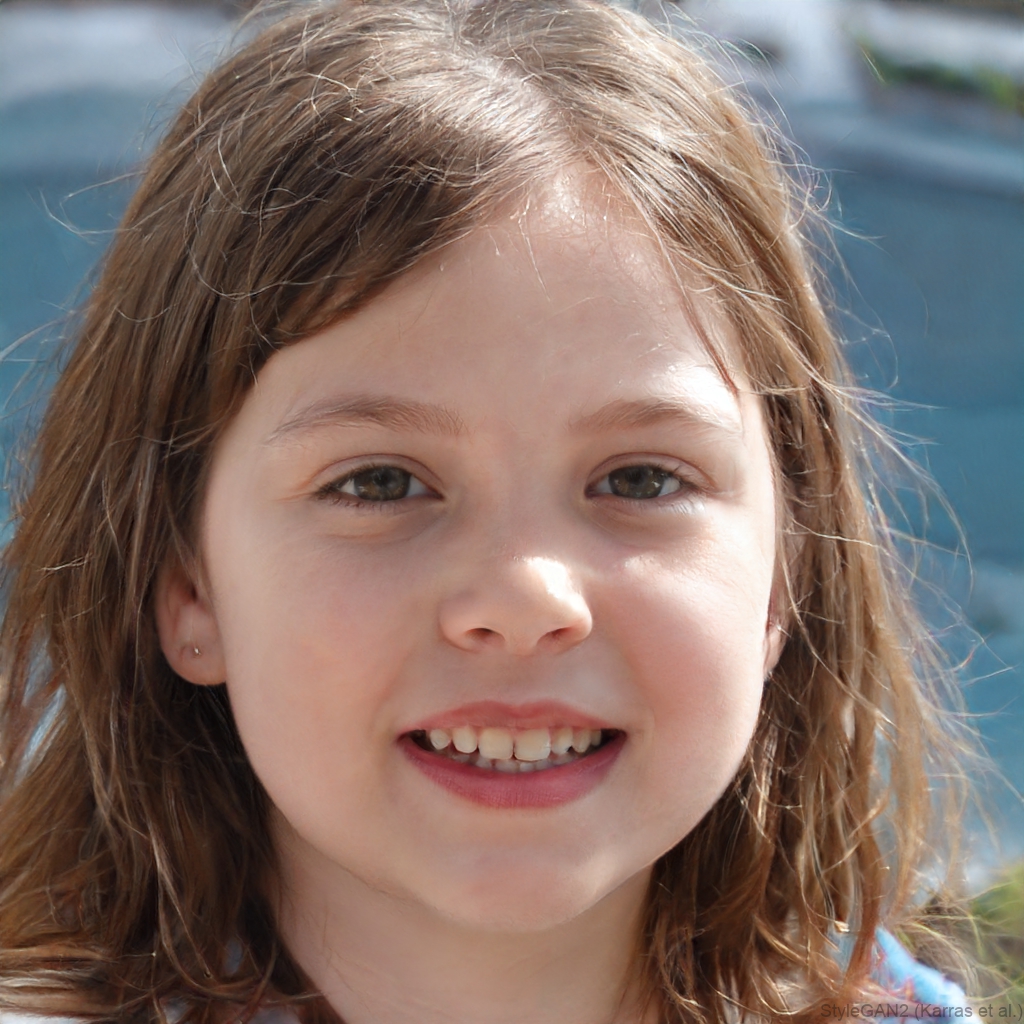
Artificial intelligence has changed how people create visual content. In just a few years, AI image generators have moved from experimental novelties to tools millions of people use regularly. These systems can turn simple text descriptions into detailed images in seconds, making digital art accessible to professionals and hobbyists alike. Whether you need concept art, marketing materials, or just want to explore your creative side, AI image generators open up possibilities that didn’t exist a few years ago.
The Evolution and Current State of AI Image Generation
The technology has advanced remarkably. What started as crude attempts at image synthesis has become systems capable of producing photorealistic landscapes, detailed portraits, abstract compositions, and almost any visual concept you can describe. Modern AI image generators use deep learning architectures—particularly diffusion models and transformer networks—to understand and interpret user prompts.
The market offers numerous options, from free tiers to premium subscriptions. Google, Microsoft, OpenAI, and Adobe have all invested heavily in developing their offerings, which tells you something about the technology’s potential.
These tools have also become much easier to use. Many platforms now have interfaces that don’t require technical expertise, while advanced users can access detailed controls for fine-tuning their outputs. This combination of power and accessibility has driven adoption across industries from entertainment and advertising to education and personal projects.
How AI Image Generators Work
Understanding the underlying technology helps users write better prompts and get better results. Most modern AI image generators use diffusion modeling, which works by gradually transforming random noise into coherent images through a learned denoising process.
The training involves showing neural networks millions of image-text pairs, so they learn the relationships between visual concepts and their descriptions. When you enter a prompt, the system uses this learned knowledge to reverse-engineer an image matching your description. The output quality depends heavily on how specific and clear your prompt is, and what the model was trained on.
You can usually adjust various parameters to influence the final output: aspect ratio, style presets, resolution, and the number of variations. Some platforms also offer inpainting and outpainting, letting you modify specific regions or extend images beyond their original boundaries.
Leading AI Image Generators in the Market
Several platforms have established themselves as leaders, each with distinct strengths.
Midjourney has become popular among artists and designers for its distinctive aesthetic quality and understanding of artistic styles. It operates through Discord, offering a community experience where users can see and learn from each other’s prompts. The platform updates its models regularly, with each version improving realism, coherence, and creative interpretation.
OpenAI’s DALL-E is another major player. As the creator of GPT language models, OpenAI brought significant AI expertise to image generation. DALL-E 3, the latest version, shows impressive prompt adherence and handles complex, multi-element compositions well. The platform integrates with ChatGPT, so you can refine prompts through conversation.
Stable Diffusion offers something different as an open-source solution you can run locally on your own hardware. This provides maximum privacy and flexibility—you can modify the underlying code for specific needs. It requires more technical knowledge to set up well, but it’s fostered a vibrant community of developers creating custom models and extensions.
Adobe Firefly is the traditional software giant’s entry into the space, integrated directly into Photoshop and other creative applications. This appeals to professional designers already in the Adobe ecosystem, offering seamless workflow integration.
Google’s Imagen and Microsoft’s Image Creator round out the major offerings. Both leverage their parent companies’ research capabilities and infrastructure, and both offer free access tiers, making them good options for casual experimentation.
Key Features to Consider When Choosing a Tool
Selecting the right AI image generator depends on your specific needs. Several factors merit consideration.
Output quality varies significantly. Some platforms excel at photorealistic images while others work better with artistic or illustrative styles. Testing multiple platforms with the same prompts helps you find what matches your aesthetic.
Pricing differs considerably. Some platforms use subscription models with monthly credits, others offer pay-per-image or free tiers with limitations. Consider your expected usage when calculating costs.
Ease of use matters for beginners. Platforms with intuitive interfaces and helpful prompt suggestions reduce the learning curve. Advanced users may prefer platforms with granular control over parameters.
Commercial usage rights deserve attention. Licensing terms vary—some platforms grant full commercial rights while others impose restrictions. Businesses should verify terms carefully.
Community and support resources matter. Active communities provide learning resources, prompt libraries, and troubleshooting help.
Practical Applications and Use Cases
AI image generators have applications across industries and creative disciplines. In marketing and advertising, teams use them to rapidly prototype visual concepts, create custom imagery for campaigns, and generate variations for testing. The ability to produce unique, tailored images on demand reduces reliance on stock photos and enables more personalized approaches.
Game developers and filmmakers use these tools for concept art and pre-visualization, letting creative teams explore different aesthetics and compositions before committing resources to production. This accelerates the creative development process.
Graphic designers use them as creative springboards—generating initial concepts they then refine through traditional design techniques. The technology augments rather than replaces human creativity.
Education and research institutions explore AI image generation for academic purposes, including studying algorithmic bias and exploring creative processes.
Personal users create artwork for social media, personalized gifts, home decor, and creative expression. The accessibility has opened creative possibilities to people without traditional artistic training.
The Future of AI Image Generation
The trajectory points toward continued rapid advancement. Emerging capabilities include higher resolution outputs, better understanding of complex prompts, improved consistency across multiple images, and enhanced control over specific elements.
Integration with other AI systems promises more powerful workflows. Combining image generation with text generation, video synthesis, and audio tools enables multimedia creation experiences that weren’t possible before.
Ethical considerations remain prominent. Questions about copyright, potential for misuse, and impact on human artists continue to spark debate. Most major platforms have implemented content policies and safety measures, though the effectiveness of these safeguards remains debated.
Regulatory frameworks are developing in various jurisdictions, with implications for how these tools can be used and how their outputs should be labeled. Staying informed about relevant regulations becomes increasingly important for individual users and businesses.
Frequently Asked Questions
What is the best free AI image generator available?
Several platforms offer free tiers. Microsoft’s Image Creator and Google’s Imagen provide free access with reasonable limits. OpenAI offers initial credits for new DALL-E users, while Stable Diffusion can be used free locally. The best option depends on your specific needs—each platform has distinct strengths and limitations.
Can I use AI-generated images for commercial purposes?
Commercial usage rights vary by platform. Many grant users full ownership of generated images, including commercial use. However, licensing terms differ significantly. Always review the terms of service and consider consulting legal counsel for business-critical applications.
How do I write effective prompts for AI image generators?
Effective prompts tend to be specific and detailed, describing not just the subject but also style, mood, lighting, composition, and other visual elements. Including artistic references or medium specifications (like “oil painting” or “photograph”) helps guide the output. Many platforms provide prompt guides to help users learn effective techniques.
Are AI-generated images protected by copyright?
The copyright status of AI-generated images remains legally uncertain. In the United States, current Copyright Office guidance suggests that purely AI-generated works without human authorship may not qualify for copyright protection. However, human-authored elements combined with AI generation, or significant human selection and editing, may establish copyright claims. This remains an evolving legal question.
What are the main differences between Midjourney, DALL-E, and Stable Diffusion?
Midjourney emphasizes artistic quality and style, often producing distinctive creative interpretations. DALL-E offers excellent prompt adherence and integrates with OpenAI’s broader AI ecosystem. Stable Diffusion provides maximum flexibility through its open-source nature, allowing local deployment and extensive customization. Each excels in different areas.
How can I improve the quality of AI-generated images?
Higher quality outputs typically come from detailed, specific prompts that clearly communicate your vision. Using appropriate aspect ratios and resolution settings for your intended use helps. Many platforms offer style presets or reference images that guide generation. Iterative refinement—generating multiple images and selecting or combining the best elements—often produces superior results.